
Alpine pastures in climate change

Updated: Oct 10, 2025

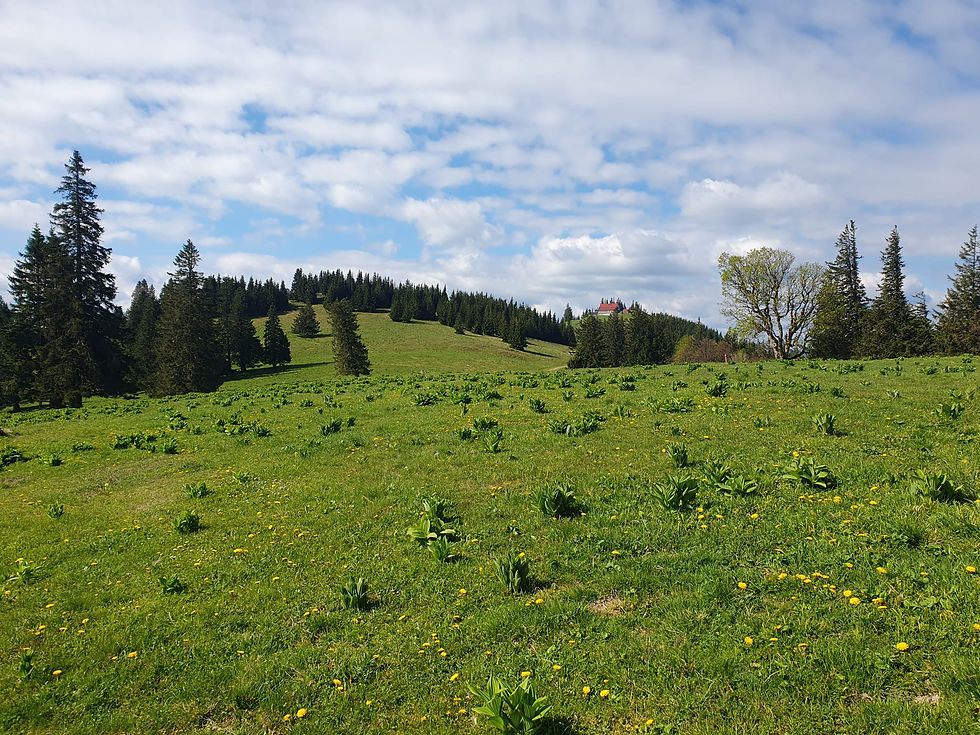
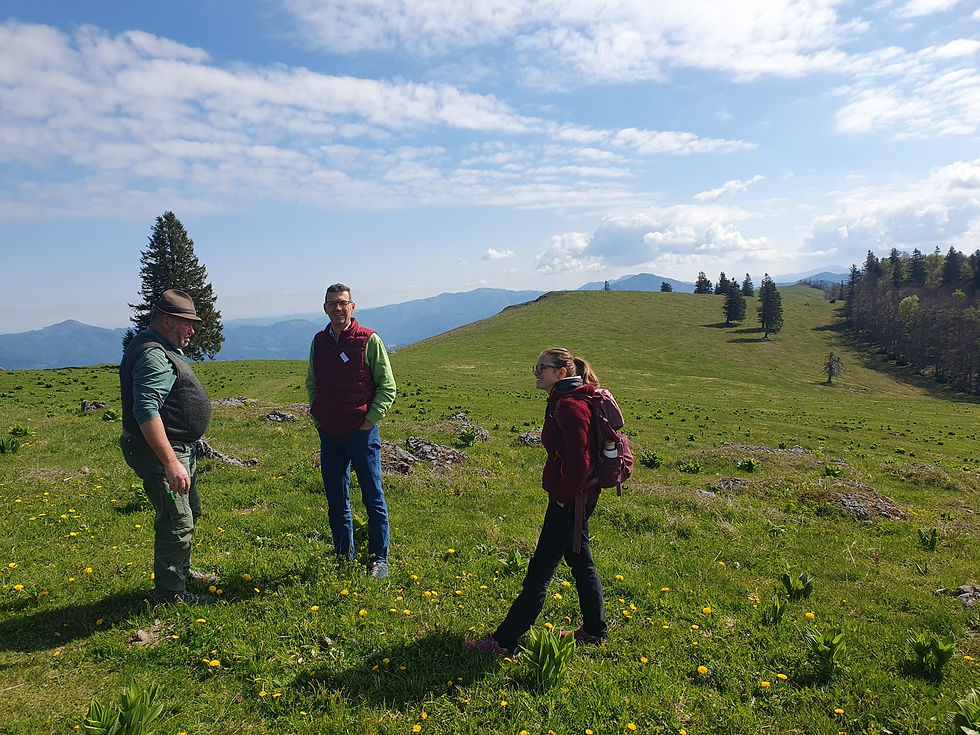
Alpine farming in the region is under pressure for several reasons. In addition to the water supply, heat and the spread of parasites and pathogens are also major problems, which can ultimately affect people's health. However, alpine pastures are not only of existential importance for farmers; they are also important as living and recreational areas for tourism and biodiversity. The measure will address the issue on three experimental alpine pastures. Weather stations will be installed on the pastures to measure precipitation and temperature in order to draw more targeted conclusions about the spread and presence of parasites. In addition, both farmers and pasture managers will receive training on climate change on the pastures, and in particular on parasites and pathogens now and in the future. The training will take place with visits directly to the experimental pastures in order to identify any potential sources of danger and to discuss countermeasures on site. The aim of the measure is to train all those involved and to develop recommendations for action for farmers and managers. The entire project is supervised by experts from the HBLFA Raumberg-Gumpenstein (Higher Federal Institute of Agricultural Sciences and Research).
Key facts about the project:
Location | Annaberg |
Measure type / project category | Research cooperation |
funding program | KLAR! |
Sectoral objectives of the Alpine Convention | Ecosystems & Biodiversity |
partner | Regional Farmers, HBLFA Raumberg-Gumpenstein |
Project period | since 2025 |


Your direct contact:
Katja Weirer


